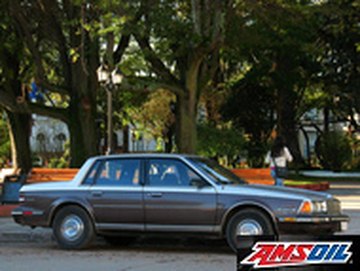
Engine Oil Maintenance for the 1984 Buick Century 3.8L
Maintaining the lubrication system is a fundamental aspect of vehicle upkeep. For the 1984 Buick Century with the 3.8L engine, following established maintenance protocols helps manage the long-term health of the internal engine components.
When should I change the oil in my 1984 Buick CENTURY 3.8L?
To determine the correct interval for an oil change, you should follow the owner's manual or the manufacturer maintenance schedule. No specific mileage or time intervals are provided here, so referring to the original documentation is the only way to identify the intended service frequency for this vehicle.
Understanding Listed Oil Viscosities
When selecting lubrication for this 3.8L engine, it is important to reference the specifications provided for the application. For this specific vehicle, 10W-30 is a listed viscosity. Using the correct grade as identified in your technical documentation helps maintain the intended flow characteristics of the lubricant through the engine's internal passages.
The Role of the Oil Filter
Every time the oil is changed, the oil filter should be addressed. The filter is responsible for capturing contaminants that may be present in the circulating oil. While specific part numbers or filtration media types are not listed here, replacing the filter during an oil service is a standard practice to ensure that the new oil remains free of debris as it moves through the engine block and cylinder head.
Monitoring Oil Levels
Regularly checking the oil level using the dipstick is a practical way to monitor the status of the lubrication system. Low oil levels can lead to increased friction and heat within the 3.8L engine. Checking the level while the vehicle is parked on level ground and the engine is at the appropriate temperature—as specified in your owner's manual—provides the most accurate reading of how much fluid is currently in the system.
Observing Oil Condition
The physical appearance of the oil can provide information regarding the engine's current state. While oil naturally darkens over time due to heat and the accumulation of microscopic particles, extreme changes in color or texture may indicate that a service is necessary. Monitoring the consistency of the fluid helps in identifying when the lubricant has reached the end of its effective service life before the next scheduled interval arrives.
Managing Fluid Leaks
Maintaining a clean engine environment can assist in the early detection of leaks. If you notice oil spots on the ground beneath the vehicle or see oil accumulating on the exterior of the engine block, it may indicate a failing gasket, seal, or loose drain plug. Addressing these leaks promptly is important for maintaining the correct fluid levels and preventing unnecessary loss of lubrication.
What oil does my 1984 Buick CENTURY 3.8L take?
The following oils are listed for this vehicle:
- Signature Series 10W-30 Synthetic Motor Oil (ATMQT-EA)
- XL 10W-30 Synthetic Motor Oil (XLTQT-EA)
- OE 10W-30 Synthetic Motor Oil (OETQT-EA)
What oil filter does my 1984 Buick CENTURY 3.8L need?
The following oil filters are listed for this vehicle:
- EA15K29-EA — AMSOIL Ea Oil Filters
- 51040-EA — WIX Oil Filter
What transmission fluid does my 1984 Buick CENTURY 3.8L take?
The following fluids are listed for this vehicle:
- ATLPK-EA — Signature Series Fuel-Efficient Synthetic Automatic Transmission Fluid
- OTLQT-EA — OE Fuel-Efficient Synthetic Automatic Transmission Fluid
What fuel filter does my 1984 Buick CENTURY 3.8L need?
The following fuel filter is listed for this vehicle:
- WIX Fuel Filters: 33481-EA
What coolant does my 1984 Buick CENTURY 3.8L take?
The following products are listed for this vehicle:
- ANTPC1G-EA — Passenger Car & Light Truck Antifreeze & Coolant
- ANT1G-EA — Low Toxicity Antifreeze and Engine Coolant
BUYING ENGINE OIL
When you are ready to purchase supplies, look for products that align with the information provided for your 1984 Buick Century. Ensure you have the listed 10W-30 viscosity available. Always verify that any oil or filter you purchase is intended for use with your specific engine configuration by checking the packaging or consulting a retailer with access to your vehicle's exact specifications.